
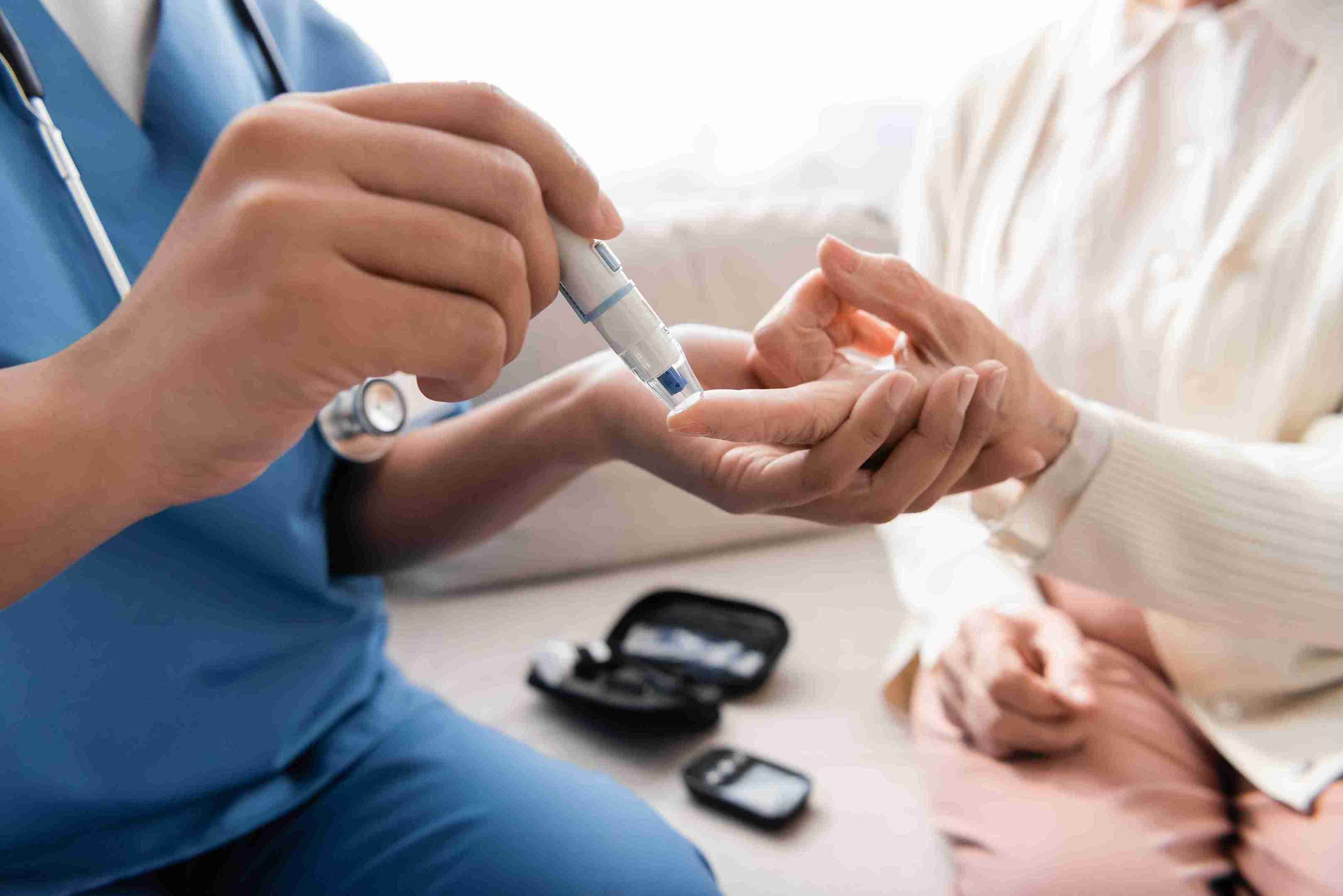
Imagine waking up every day feeling exhausted, struggling to concentrate and finding that even simple tasks take more effort than they used to. Debbie had spent months blaming her tiredness on poor sleep and a busy lifestyle, never expecting there could be another reason behind it.
When she started noticing other changes, such as feeling unusually thirsty, feeling constantly tired and struggling to manage her weight, she decided to speak to her GP. The diagnosis of type 2 diabetes came as a surprise and left her wondering what she could do next.
If you’ve been diagnosed with type 2 diabetes, you might be wondering whether it is something you will have to live with forever and whether lifestyle changes can help. You might have been told to lose weight without really being given a clear explanation of why or any useful advice on where to start. After receiving a medical diagnosis, being left with such vague advice can feel frustrating, confusing and unsettling.
Research has shown that significant and sustained weight loss can put diabetes into remission for some people. However, remission isn’t the same as a permanent cure, and it’s not always possible. The outcome can depend on factors such as how long you’ve had diabetes, where excess fat is stored and how well your pancreas is still able to produce insulin.
To understand what remission realistically involves, it helps to look at the relationship between body fat, the liver, the pancreas and insulin production. It’s also important to consider what clinical evidence says about weight loss, whether very low-calorie diets are necessary and how nutrition, exercise, sleep and stress can influence long-term metabolic health.
This can help you move beyond vague advice to “lose weight” and make more informed decisions about your health.
What does type 2 diabetes remission mean?
Remission means your blood sugar has fallen below the diagnostic threshold for diabetes and remained there without medication. An international expert consensus on type 2 diabetes remission defines remission as an HbA1c below 48 mmol/mol at least three months after glucose-lowering medication has been stopped.
Remission is different from well-controlled diabetes. If your blood sugar is within the recommended range while you’re taking medication, your diabetes is effectively managed, but it wouldn’t usually be described as being in remission. It is also different from a cure.
Even when your HbA1c is below the diabetes range, the underlying tendency to develop high blood sugar can still be present. Weight gain, illness, changes in activity or a gradual decline in the body’s ability to produce insulin can cause diabetes to return. For this reason, people in remission should have regular HbA1c testing to monitor any changes.
Type 2 diabetes and weight loss, the connection
Type 2 diabetes develops when the body becomes resistant to the hormone insulin. Body cells, such as muscles, fat tissues and the liver, fail to respond normally to insulin, preventing proper glucose uptake from the bloodstream, and leading to hyperglycemia.
When the cells become less responsive to insulin, the pancreas initially tries to overcome this by producing more. For a while, this can keep blood sugar within the normal range. Over time, beta-cells, the specialised endocrine cells in the pancreas that make, store, and release insulin, become exhausted, as the pancreas, after initially pumping out extra insulin to compensate, eventually fails and reduces insulin output.
This process, with a continuous struggle to meet the body’s demands, leads to glucose build-up in the blood. It is known as insulin resistance and can affect appetite, energy, fat storage and wider metabolic health long before type 2 diabetes is diagnosed.
Weight is relevant because excess body fat, particularly fat stored around the abdomen and internal organs - visceral fat - is inflammatory and inhibits insulin regulation. However, in some cases, people can keep being of a balanced weight but still develop the condition.
People vary in how much fat they can individually store before it begins creating such problems as dysfunctional insulin production and diabetic dislipidemia. There is a “personal fat threshold”, where one person develops metabolic problems at a lower body weight than another because their safe storage capacity is different.
Does losing weight put type 2 diabetes into remission?
When someone loses enough excess body fat, the amount stored within the organs falls. For instance, as liver fat is reduced, the liver becomes more responsive to insulin and stops releasing more glucose into the bloodstream than the body needs. Reducing fat within the pancreas can also allow some insulin-producing cells to function more effectively.
The Diabetes Remission Clinical Trial, known as DiRECT, examined whether a structured weight-management programme could put type 2 diabetes into remission. Participants initially followed a nutritionally complete total diet replacement providing just over 800 calories a day for 12 weeks, with some flexibility to extend this phase. Food was then gradually reintroduced over 6 to 8 weeks, followed by structured support to help maintain weight loss.
After one year, 46% of participants following the programme were in remission, compared with just 4% of those receiving standard diabetes care. These results showed that substantial weight loss could lead to remission, although the outcome also depended on whether the insulin-producing cells in the pancreas retained enough capacity to recover.
This helps explain why the aim isn’t simply to lose as much weight as quickly as possible. The initial weight loss needs to be followed by a sustainable approach that supports nutrition, preserves muscle and reduces the likelihood of weight regain.
How much weight loss is sufficient for reversing diabetes 2?
No set amount of weight loss guarantees type 2 diabetes remission. However, the likelihood generally increases, as more excess weight is lost. In the trial, around 34% of participants who lost between 5kg and 10kg achieved remission. This increased to 57% among those who lost between 10kg and 15kg and 86% among people who lost at least 15kg. These are averages from a clinical programme, not personal targets or guarantees. The amount you need to lose will depend on factors such as:
- How long you’ve had type 2 diabetes
- Your starting weight and body composition
- How much fat is stored in the liver and pancreas
- Whether you currently use insulin
- Your age and family history of diabetes 2
- Any other metabolic conditions you may have
It is wrong to assume that weight loss should be an all-or-nothing goal. Even if your HbA1c doesn’t fall below the diabetes threshold, losing some amount of weight can still improve blood sugar levels, regulate blood pressure, improve liver health, and manage cholesterol levels better.
Aiming to work on lowering glycated haemoglobin levels, or HbA1c, becoming more physically active over the long term will mean you will help reduce your risk of cardiovascular diseases, such as heart disease, stroke, hypertension and atherosclerosis, even if you don’t reach the desired type 2 diabetes remission.
Do low-calorie diets work?
There isn’t a one-size-fits-all diet for people with type 2 diabetes. The DiRECT study used a low-calorie total diet replacement because this was a structured controlled protocol, with meal replacements delivered to subjects’ homes for the whole duration of the trial.
It has been debated since the trial how realistic this protocol is for individuals without access to processed meal replacements. One more criticism of this low-calorie protocol was that even though it met the energy requirements of the participants, lowering the consumption of fats to achieve the low-calorie goal most likely led to nutrient deficiencies that were not checked for.
Attempting a severely restricted diet on your own can produce harmful effects. Very low-calorie diets can affect blood sugar quickly, and if you continue to take medication while dramatically reducing your food intake, it could cause hypoglycaemia. Additionally, nutrient deficiencies could lead to headaches, migraines, hormone fluctuations, energy dips, faints and more. Any intensive weight-loss approach should be discussed with either a diabetic nurse or a dietitian specialising in type 2 diabetes.
Aside from low-calorie dieting protocols, there are other effective ways to achieve meaningful weight loss. The Mediterranean-style diet can provide sufficient weight loss without any of the adverse conditions mentioned earlier, with energy regulation and hormone balance.
Changing eating habits for successful weight loss
The quality of your diet is as important as the quantity, and so is the timing of your meals.
A strong starting point for most people is to reduce foods that provide large amounts of energy without offering much nutritional value. This includes sugar-added food and drinks, such as sweets, cakes, biscuits and highly processed foods. Refined carbohydrates, such as white bread and sugary cereals, should also be reduced or replaced with higher-fibre alternatives where possible.
Meals should be built around a substantial source of protein, non-starchy vegetables and a good quantity of healthy fats. Protein from foods such as meat, fish, seafood, eggs, poultry, tofu, beans or lentils can support fullness and help preserve muscle during weight loss. Depending on your body size, activity level, and wider nutritional needs, aiming for 30 to 40g of protein at each main meal can provide a useful structure.
Vegetable intake should also be increased, with a varied selection included across the day. Aiming for at least 5 portions of vegetables is consistent with general UK guidance, while some people may choose to build towards 8 portions of vegetables as part of a personalised plan. Fibre from vegetables, pulses, wholegrains, nuts and seeds can slow down digestion, support gut health and reduce sharp rises in blood glucose after eating.
Healthy fats, including olive oil, nuts, seeds, avocado and oily fish, can also contribute to a balanced meal. These energy-dense foods are great for achieving satiety for longer.
Exercise plan for reversing type 2 diabetes
Exercise is one of the most valuable tools for managing type 2 diabetes. Its benefits go far beyond the energy burned during a workout.
When muscles contract during resistance training, they take glucose from the bloodstream for energy. Thus, regular physical activity can help improve insulin sensitivity and lower blood sugar. Strength training is particularly beneficial because it helps preserve and build muscle mass, helping the body use up glucose efficiently. This becomes especially important as you get older, when declining muscle mass can contribute to weight gain after 40.
Public health advice for physical activity is spending 150 minutes in moderate to vigorous exercise per week; however, research in the last 10-15 years has shown that having an hour-long gym session 3 times per week does not undo the damage caused by a sedentary lifestyle. Trying to incorporate more movement into your day is a better strategy.
Movement can include brisk walking, cycling, swimming, gardening, strength training, yoga, Tai Chi, contact sports, such as tennis, padel, squash, and also structured gym aerobic classes. Short walks after meals can be particularly useful because they encourage the muscles to use some of the glucose entering the bloodstream. Breaking up long periods of sitting is critically important, especially if your work involves sitting for prolonged periods of time.
Sleep and stress management in diabetes type 2 - the link
One’s diet and weight get much more attention in discussions about diabetes 2 than sleep and stress; however, both the latter play a crucial role in the development of metabolic syndrome. Poor sleep can reduce insulin sensitivity, increase hunger, and affect the hormones that regulate appetite. It can also leave you craving quick-energy foods and increase cravings for high-sugar, high-fat foods.
The relationship between sleep and one’s diet is often cyclical. Poor sleep leads to reaching for sugary foods or snacks; low energy or energy drops often lead to compensating with caffeine, which can further result in a poor sleep routine and habits. The effects of short sleep can go beyond tiredness, affecting appetite, hormonal regulation and glucose metabolism.
High levels of cortisol, the stress hormone, raise blood sugar levels. High cortisol disrupts sleep, promotes snacking and emotional eating, and often leads to lower energy reserves, making exercise feel less manageable. Improving sleep and reducing stress are important components while trying to reverse type 2 diabetes.
Is type 2 diabetes remission sustainable?
Maintaining remission from type 2 diabetes depends on maintaining the changes that helped achieve it in the first place. When weight is regained, particularly around the abdomen and internal organs, the metabolic improvements linked to weight loss can start to reverse. This can increase insulin resistance again and make it harder to regulate blood glucose effectively.
However, maintaining substantial weight loss can be challenging. The body naturally adapts when weight is lost by requiring fewer calories to function, and changes in appetite-regulating hormones can make hunger stronger. This is why gradual weight loss over a longer period is often a better approach for long-term health. Giving the body time to adjust to weight loss allows new eating patterns, activity levels and energy requirements to become more established.
By contrast, very rapid weight loss can be harder to maintain. A significant reduction in calorie intake can lead the body to adapt by lowering energy expenditure, meaning your metabolic rate will become slower over time. If previous eating patterns are resumed without addressing the underlying factors that contributed to weight gain, weight regain becomes more likely. For this reason, the goal shouldn’t simply be to lose the most weight in the shortest time. It should be to create changes that support long-term metabolic health and can realistically be maintained.
Longer-term follow-up from the DiRECT trial found that some participants remained in remission 5 years after beginning the programme. Those who maintained greater weight loss were more likely to remain in remission, highlighting that sustained weight management is a key factor in keeping type 2 diabetes in remission.
Taking a whole-body approach to type 2 diabetes
If your doctor advised you to “lose weight” for management of diabetes type 2, it may have left you with a lot of questions. What should you eat on busy days? How do you reduce your calorie intake without constantly feeling hungry? How can you preserve muscle? What should you do when stress affects your food choices? How can you sleep better when your mind won’t switch off?
Type 2 diabetes isn’t only about blood sugar levels. It’s influenced by the wider picture of metabolic health, including nutrition, movement, sleep, stress and the body’s ability to regulate energy effectively. This is why a whole-body approach can be more useful than focusing on a single diet, weight loss goal or blood markers.
At Boost My Energy, we understand how these factors work together to influence weight, blood sugar and energy levels. The Restore Metabolic Health programme provides personalised support for people affected by insulin resistance, unregulated blood sugar levels, cravings, energy fluctuations, excess weight or concerns about how their metabolism may affect their long-term heart health.
For some people, losing weight can put type 2 diabetes into remission. However, achieving and maintaining this can be much harder. A gradual approach that supports sustainable weight management, reduces the impact of stress, improves sleep quality and builds healthier routines can help create the conditions needed for better long-term metabolic health.
The goal isn’t to reach the lowest number on the scales. It’s to create a healthier body and a way of living that puts type 2 diabetes into remission for good and supports your health for years to come.
Stay healthy, be joyful!
Love,
Katya