
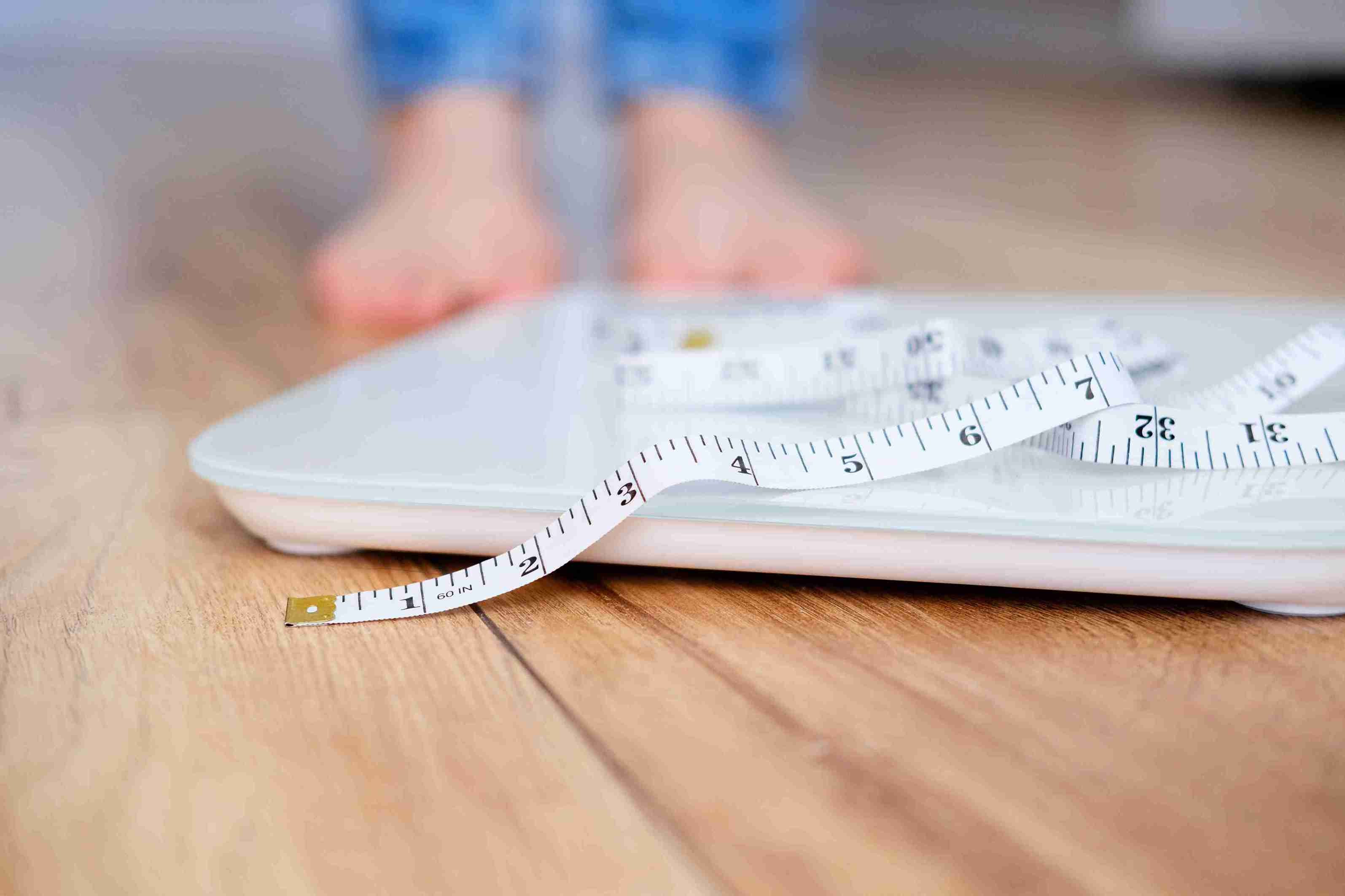
If you’re eating well and moving more, but still not losing weight, it can be incredibly frustrating. Many people automatically assume this is because they have a ‘slow metabolism’, especially when weight loss becomes harder with age, after dieting, or during periods of stress.
Metabolism isn’t just about how many calories you burn. It’s the whole system your body uses to turn food into energy, regulate blood sugar, manage hormones, maintain muscle, recover from stress and decide whether to store or release fat.
When this system is under pressure, weight loss can slow down. You might feel more tired, hungry, bloated, or as though your body is no longer responding to the habits that used to work. This doesn’t mean your metabolism is broken; more often than not, it just needs better support.
Do you have ‘slow metabolism’?
When people say they have a slow metabolism, they often mean their body seems less responsive. They gain weight more easily, feel tired after meals, crave sugar or carbohydrates, struggle to shift weight around their middle, or notice that the same diet that worked a few years ago no longer gives the same results.
Human metabolism involves several different processes. Your resting metabolic rate is the energy your body uses at rest to keep you alive, including basic functions like breathing, circulation, temperature regulation, cell repair, and organ function. But your total daily energy use also includes things such as digesting food, repairing and restructuring cells, hormone functioning and others, which is why your body needs energy for far more than physical activity alone.
Thus, metabolism isn’t just a calorie equation. Muscle mass, insulin sensitivity, sleep, stress, hormones, gut health and food quality all influence how efficiently your body uses energy. A helpful way to think about this is: your body is always listening and reacting. If it senses stress, poor sleep, blood sugar spikes, too little movement or repeated restrictive dieting, it might become more cautious with energy. This can make weight loss feel much harder than it should.
Does metabolism slow down with age?
Many people think their metabolism automatically slows down once they reach their 40s or 50s. This is partly true, but not in the way most people think.
A large study found that, once body size and composition were accounted for, metabolism was relatively stable between ages 20 and 60, then declined later in life. This changes the conversation. If weight loss becomes harder in your 40s or 50s, it doesn’t necessarily mean your metabolism is to blame. More often, the conditions that are factors for your metabolism’s efficiency have changed.
You might have less muscle and lean body mass than you did ten years ago. You might be more sedentary and moving less throughout the day, even if you exercise several times per week. Your sleep might be disturbed. Your stress levels could be chronically high. In addition, the hormonal changes associated with ageing might be affecting your appetite, blood sugar and fat storage.
A rather useful question is to ask yourself: what has changed in my body, my routine and my recovery?
Can dieting ruin your metabolism?
This is a common worry. The simple answer is that dieting doesn’t ‘ruin’ your metabolism forever. However, repeated restrictive dieting can make weight loss harder.
When you significantly cut calories, your body adapts. Research shows that calorie restriction can reduce energy expenditure beyond what would be expected from weight loss alone. This is sometimes called metabolic adaptation. In real life, this can look like lower energy, stronger cravings, feeling cold, having low mood, reduced motivation and weight loss that has plateaued. You might also unconsciously move less throughout the day, which reduces total energy output.
This doesn’t mean calorie balance is irrelevant. It means the body can be more complex than ‘eat less and move more’. If you repeatedly under-eat, skip meals, avoid certain food groups completely, push through stress and do intense exercise without proper recovery, your body can start defending its energy stores.
A better approach isn’t to punish the metabolism. It’s to rebuild trust within the body. This means eating enough protein, choosing whole foods, managing blood sugar levels, concentrating on building muscle, sleeping properly and avoiding extreme cycles of restriction and overeating.
Insulin resistance slows down weight loss
One of the most overlooked reasons for stubborn weight loss is insulin resistance.
Insulin is a hormone that helps move glucose from the bloodstream into your cells, where it can be used for energy. When your cells become less responsive to insulin, the body has to produce more insulin to do the same job. Over time, this leads to fat storage, blood sugar fluctuations, intense cravings for sugary foods, regular fatigue and weight gain, which is difficult to reverse.
The hormone is needed for our survival. But if insulin is consistently high, your body receives a strong signal to store fat. This can make it harder to access fat for fuel, even when you are trying to eat well. This is especially relevant if you tend to gain weight around the middle, feel sleepy after meals, crave something sweet in the afternoon, wake frequently during the night, or feel hungry soon after eating.
Hence, weight loss is not simply about eating less and moving more. For many people, it’s about improving insulin sensitivity so that the body can use energy more efficiently again.
Best diet for insulin resistance and weight loss
There’s no single perfect diet for everyone. However, for insulin resistance and weight loss, the most effective approach is usually one that keeps blood sugar steady, supports muscle and reduces inflammation.
A Mediterranean-style diet is one of the most well-researched for metabolic health. It focuses on consuming lots of vegetables and fruits, legumes, whole grains, nuts, seeds, fish and olive oil. Research has linked Mediterranean-style eating with improvements in body weight and metabolic markers. In practical terms, this means building meals around:
- Protein first, such as good quality meat, fish, eggs, quality dairy products, pulses, beans and lentils.
- Plenty of fibre-rich vegetables to improve satiety, help the gut with better digestion and regulate blood sugar balance.
- Slow-release carbohydrates, such as oats, lentils, beans, quinoa, sweet potato or whole grains, depending on your tolerance.
- Healthy fats, such as olive oil, avocado, nuts, seeds and oily fish.
- Limited amounts of ultra-processed foods, sugary drinks, refined snacks and ‘naked carbs’ eaten on their own.
A ‘naked carb’ is something like toast, cereal, or biscuits eaten without protein or fat. For some people, this causes a rapid rise in blood sugar followed by a crash, which can lead to cravings and hunger soon after. A better option would be Greek yoghurt with berries and nuts, eggs with vegetables, chicken with salad and olive oil, or lentil soup with added protein. These meals are easy to put together, and they send the body a very different, health-promoting signal.
How to fix a slow metabolism
If your weight loss has plateaued or you notice you keep putting on weight without changes to the diet, instead of trying to force your metabolism into working harder, encourage your body to start using energy smartly again.
Start with protein. Protein helps preserve muscle, supports fullness and reduces the likelihood of constant snacking. Many people who struggle with cravings aren’t eating enough protein at breakfast and lunch.
Next, build muscle. Muscle is a metabolically active tissue, and it plays an important role in how your body handles glucose.
- Strength training three or four times a week can help improve body composition, support insulin sensitivity and make weight management easier over time.
- Walking after meals is a simple but powerful habit. Even a short walk after eating can help your body use glucose more efficiently. Such an easy habit to adopt, which will help your metabolism dramatically.
Sleep is a really important component of healthy metabolism, more than most people realise. Poor sleep can affect hunger hormones, cravings, lead to insulin resistance and lower motivation. If you’re sleeping badly, weight loss will usually feel harder. Before cutting even more foods out of your diet, it’s worth looking at how well your body is recovering.
Finally, it is worth considering ditching dieting protocols. In your good attempts for weight-loss strategies, you will unfortunately push the body to slow down its metabolic rate, creating bigger problems with weight gain long-term, as to the ones you started with. A better long-term strategy is to eat healthy meals, maintain stable blood sugar levels, get regular movement, and allow enough recovery time for your body to respond.
Ready to support your metabolism properly?
If your weight loss has stalled and you suspect your metabolism, insulin resistance, sleep, or stress levels are playing a role, you don’t have to keep guessing.
Boost My Energy offers personalised health coaching programmes designed to help you understand what’s happening in your body and make realistic, lasting changes. By looking at your diet, sleep, lifestyle, and stress levels, I can help you take a more guided approach with realistic daily changes to improve weight balance and metabolic health for the long-term.
Your metabolism isn’t broken. It might simply need the right support.
Stay healthy, be joyful!
Love,
Katya